How to become a lash artist: a step-by-step guide
What you need to learn, how long it takes and how to find your first clients, explained by a lash and brow academy.
Eka Kurshitashvili • • 2 min read
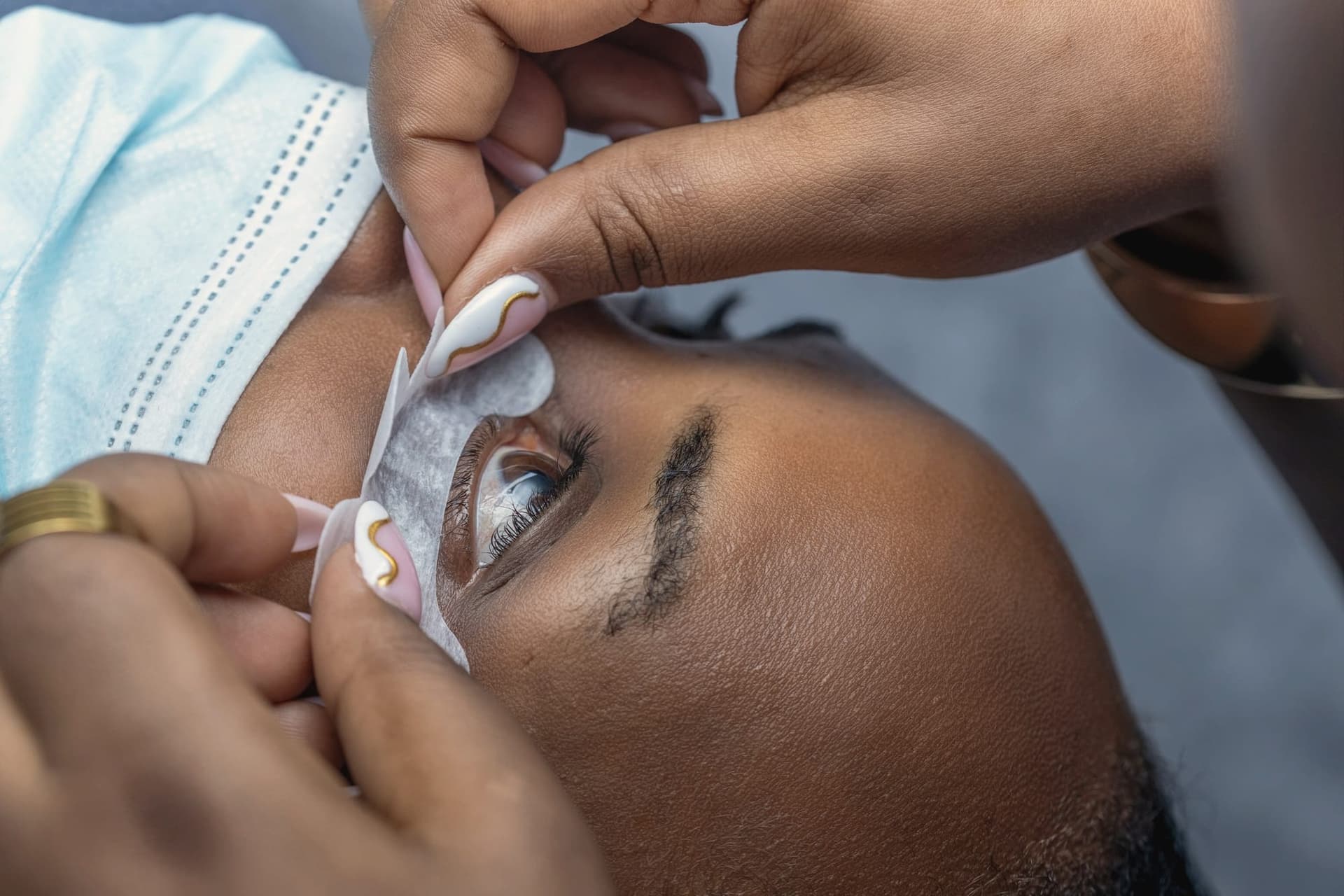
Lash extensions are one of the few beauty skills you can learn in days, start practising in weeks and turn into a steady income within months. You do not need a medical or cosmetology degree to begin. You need good training, patient practice and care for every client.
1. Learn the basics properly
A good first course teaches more than how to glue a lash. Look for one that covers:
- the structure and growth cycle of natural lashes
- isolation: separating one natural lash so the extension sits on it alone
- choosing length, thickness and curl for each eye shape
- working with adhesive safely, and hygiene at every step
- aftercare advice for clients and how to remove extensions without damage
Classic extensions (one extension on one natural lash) are the best place to start. Every other technique builds on them.
2. Practise on real people, not only on a mannequin
A practice head is useful for the first hours, but a real eye moves, waters and reacts to the adhesive. Training with live models under a teacher's eye is where the skill really forms. Small groups matter here: the teacher can watch your hands and correct you before a mistake becomes a habit.
3. Build your own kit
You will need tweezers you are comfortable with, extensions in several lengths and curls, adhesive, primer, under-eye pads and a good lamp. Many courses include a starter kit so you can keep practising at home straight after training.
4. Get a certificate and keep learning
A certificate shows clients and salons that you trained with a professional. After classic lashes, many artists add a second technique, for example LED lash extensions, or a brow service such as lamination, so they can offer more to each client.
5. Find your first clients
Start with friends and family, photograph every set in good light and post your work on Instagram. Ask happy clients for a review. Fill appointments on time and keep your workspace spotless: in this job, trust is what brings clients back every three weeks.
How long does it take?
The core skills can be learned on a short practical course. Speed and confidence come with the first 20 to 30 full sets. Most new artists feel comfortable after two to three months of regular work.
If you want to start, have a look at our courses or ask us a question: we will help you choose where to begin.